When it comes to vehicle maintenance, wheel alignment is often overlooked, yet it plays a critical role in your car’s performance, tire life, and overall safety.
Understanding what wheel alignment is and why it matters can save you money on repairs and keep you safer on the road.
What is Wheel Alignment?
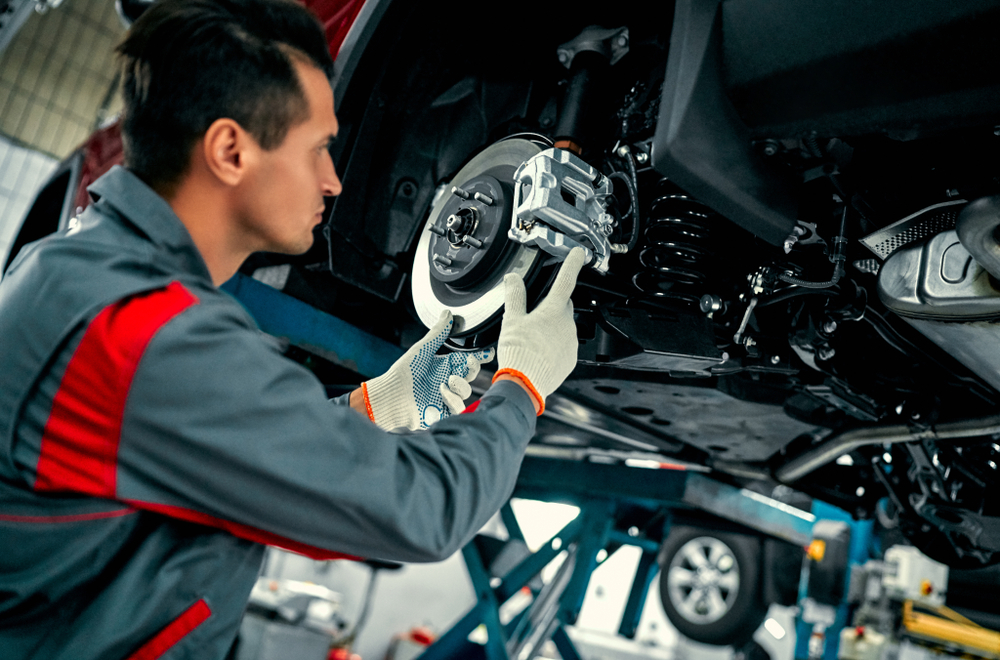
Wheel alignment refers to the adjustment of your car’s suspension system, which is the system connecting the vehicle to its wheels. It’s not about adjusting the wheels themselves but the angles of the tires in relation to the road.
These angles, measured in degrees, ensure that the tires make proper contact with the road surface.
The key alignment angles include:
- Camber: The inward or outward tilt of the tire when viewed from the front of the car.
- Toe: The extent to which the tires turn inward or outward when viewed from above.
- Caster: The angle of the steering axis when viewed from the side of the vehicle.
Correct alignment ensures that all four tires point in the same direction and are perpendicular to the ground.
How Does Wheel Alignment Affect Tire Life?
1. Uneven Tire Wear
Improper alignment causes uneven tire wear, which means some areas of the tire will wear out faster than others. For example:
- Negative Camber: Causes the inside edge of the tire to wear more quickly.
- Positive Camber: Causes the outside edge to wear prematurely.
- Toe Misalignment: Leads to feathering, a condition where the tread ribs develop a sawtooth pattern.
Uneven tire wear reduces the lifespan of your tires, forcing you to replace them sooner than expected.
2. Increased Rolling Resistance
When your tires are not aligned properly, they don’t roll smoothly. This increased rolling resistance puts more stress on the tires, accelerating wear and tear. It also decreases fuel efficiency, costing you more at the pump.
3. Risk of Tire Damage
Misaligned wheels can cause tires to scrape against suspension components or other parts of the vehicle, leading to cuts, punctures, or sidewall damage. Such damage can compromise the structural integrity of the tire, increasing the risk of a blowout.
How Does Wheel Alignment Impact Safety?
1. Steering and Handling Issues
Misalignment affects your car’s steering response and handling. You might notice:
- Pulling: The car drifts to one side, making it harder to maintain a straight line.
- Vibration: Uneven tire wear can cause vibrations through the steering wheel.
- Delayed Steering Response: Misalignment makes it harder to react quickly in emergencies.
These issues make driving more challenging and dangerous, especially in bad weather or at high speeds.
2. Increased Stopping Distance
Improper alignment reduces the amount of tire surface in contact with the road, diminishing traction. Less traction means longer stopping distances, which can be critical in avoiding collisions.
3. Stress on Suspension Components
A misaligned suspension forces parts like ball joints, tie rods, and wheel bearings to work harder than designed. Over time, this can lead to mechanical failure, potentially causing accidents.
Signs Your Car Needs a Wheel Alignment
Not sure if your car needs an alignment? Look out for these warning signs:
- Uneven or rapid tire wear.
- The car pulls to one side, even on a straight road.
- The steering wheel is off-center when driving straight.
- Steering feels loose or imprecise.
- Unusual noises when turning or driving.
If you notice any of these signs, it’s time to visit a professional mechanic.
The Benefits of Proper Wheel Alignment
1. Extended Tire Life
Correct alignment ensures even tire wear, maximizing the lifespan of your tires. This saves you money on replacements and reduces waste, which is also better for the environment.
2. Improved Fuel Efficiency
Properly aligned wheels reduce rolling resistance, which means your car requires less energy to move forward. This improves fuel economy, saving you money over time.
3. Enhanced Safety
Good alignment keeps your car stable and predictable, improving traction, handling, and braking performance. This reduces the risk of accidents, keeping you and your passengers safer.
4. Smoother Ride
Alignment adjustments eliminate unnecessary vibrations and pulling, making your driving experience more comfortable and enjoyable.
When Should You Get a Wheel Alignment?
Experts recommend checking your wheel alignment every 6,000 to 10,000 miles or at least once a year.
You should also have it checked if:
- You hit a pothole or curb.
- You replace your tires or suspension components.
- Your car feels different after a minor accident.
- You notice any of the warning signs mentioned earlier.
Regular alignment checks are a small investment that can prevent costly repairs and accidents.
Conclusion
Wheel alignment is more than just a maintenance task; it’s a vital part of keeping your car safe and efficient.
By ensuring your tires are properly aligned, you can extend their life, improve fuel economy, and enjoy a smoother, safer ride.
Don’t wait for the warning signs; make wheel alignment a regular part of your vehicle’s care routine.